


Yew
Description
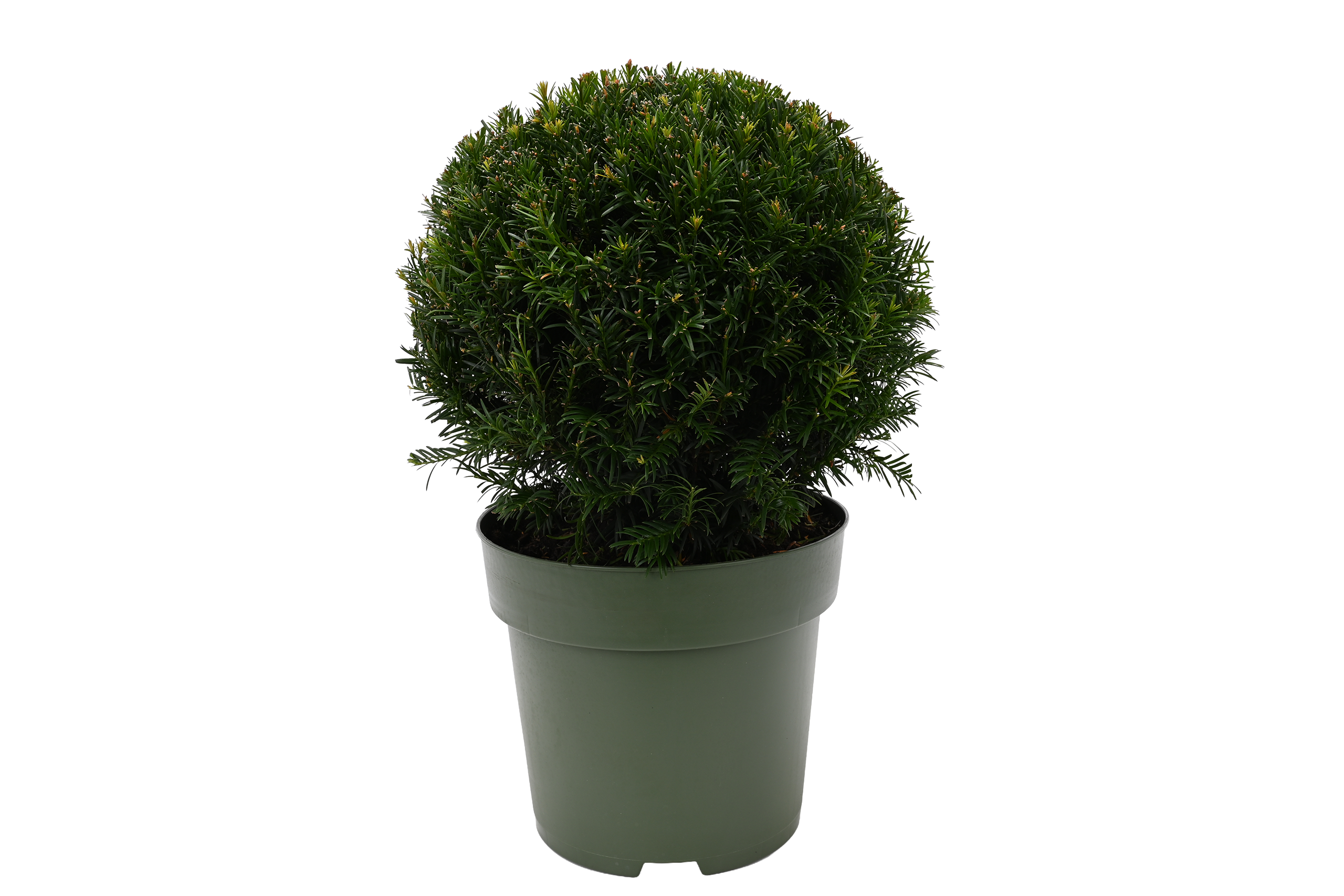
Taxus baccata, also known as yew, is a strong evergreen plant that has been used for centuries in gardens, parks and on country estates. Thanks to its dense growth, dark green needles and calm appearance, yew is ideal for hedges, neat shapes and elegant pots on the patio or balcony. Prune it regularly and it stays nice and compact, and you can shape it into almost any form: from a low hedge to a ball, pyramid or green wall. And… because yew stays green all year round, it also provides structure, shelter and atmosphere in the garden in winter.
Features
Plant Care
Why choose Yew
Yew is a timeless classic in the garden. Thanks to its dark green, evergreen foliage, strong qualities and versatile growth habit, yew is suitable for both neat hedges and stylish solitary planting.
Green all year round

Yew keeps its deep, dark green colour throughout the year and provides lasting structure and atmosphere in the garden.
Strong & long-lasting

A strong plant that lasts for years and adapts well to different conditions.
Perfect for hedges

Thanks to its dense growth and ease of pruning, yew is ideal for neat, full hedges and green screens.
Classic look

The dark green, fine foliage gives yew an elegant and timeless look that suits both classic and modern gardens.
Versatile in shape

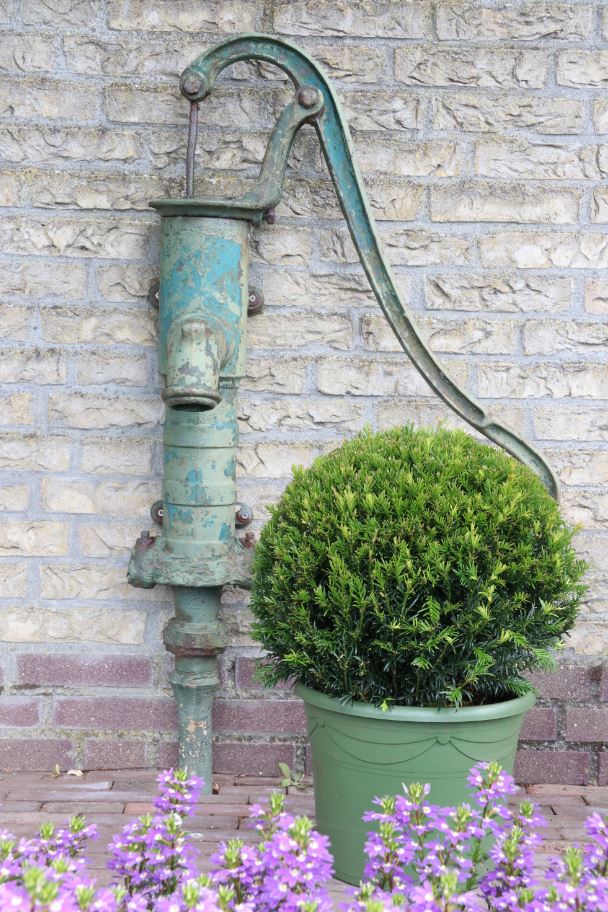
Yew is excellent for pruning and shaping, making the plant suitable for hedges, blocks, balls and other topiary.
Also suitable for pots

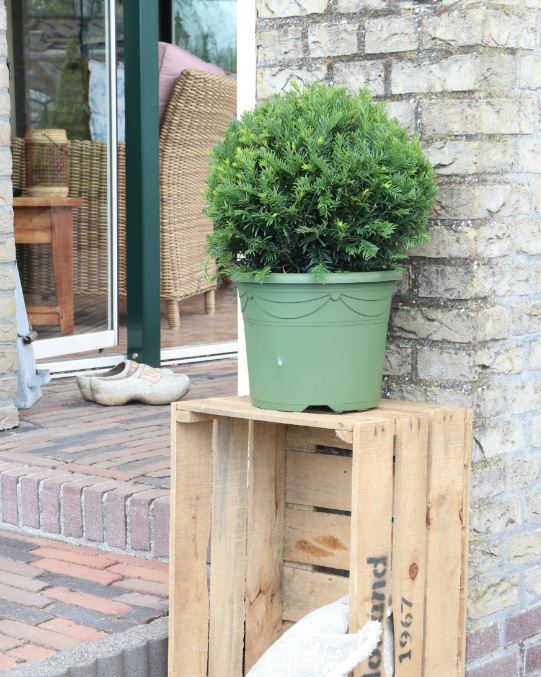
With its stylish look, yew also looks beautiful in pots and planters, for example by an entrance or on the patio.
Also available as
Fun Facts
Did you know that yew is one of the oldest and most remarkable garden plants we know? Some specimens can live for hundreds or even more than a thousand years. In the past, yew was often planted near castles, churches and formal gardens, precisely because it is so easy to prune and keeps its shape for years. But this plant also has a special other side. Substances that occur naturally in yew are used to produce certain medicines, including drugs used in cancer treatments. At the same time, caution is important: almost all parts of the plant are poisonous if eaten, such as the needles, branches and seeds. So place yew where children and pets cannot eat or play with it.